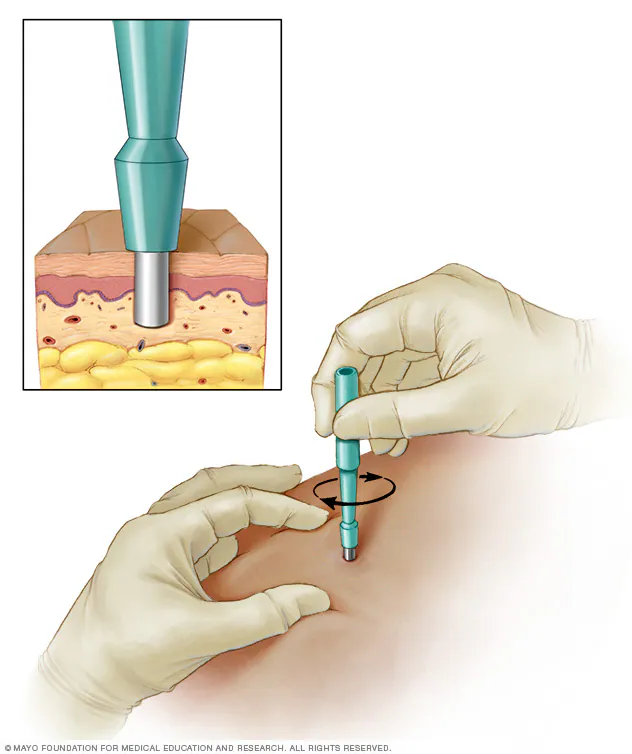
Skin care tests are important for accurately diagnosing many skin-related problems, as the skin often reflects underlying health issues such as infections, allergies, hormonal imbalance, or autoimmune disorders. Dermatology labs commonly perform tests like skin biopsy, patch testing, KOH test, skin culture, and blood tests to identify the root cause of skin symptoms. A skin biopsy involves removing a small piece of skin under local anesthesia to examine it under a microscope, helping detect conditions like chronic rashes, suspicious moles, infections, or skin cancer. Patch testing is used to find allergies caused by metals, cosmetics, fragrances, or chemicals by applying allergen patches on the skin and checking for reactions after 48–72 hours. The KOH test, skin scrapings, and fungal or bacterial cultures help detect infections such as ringworm, nail fungus, and other microbial issues.